
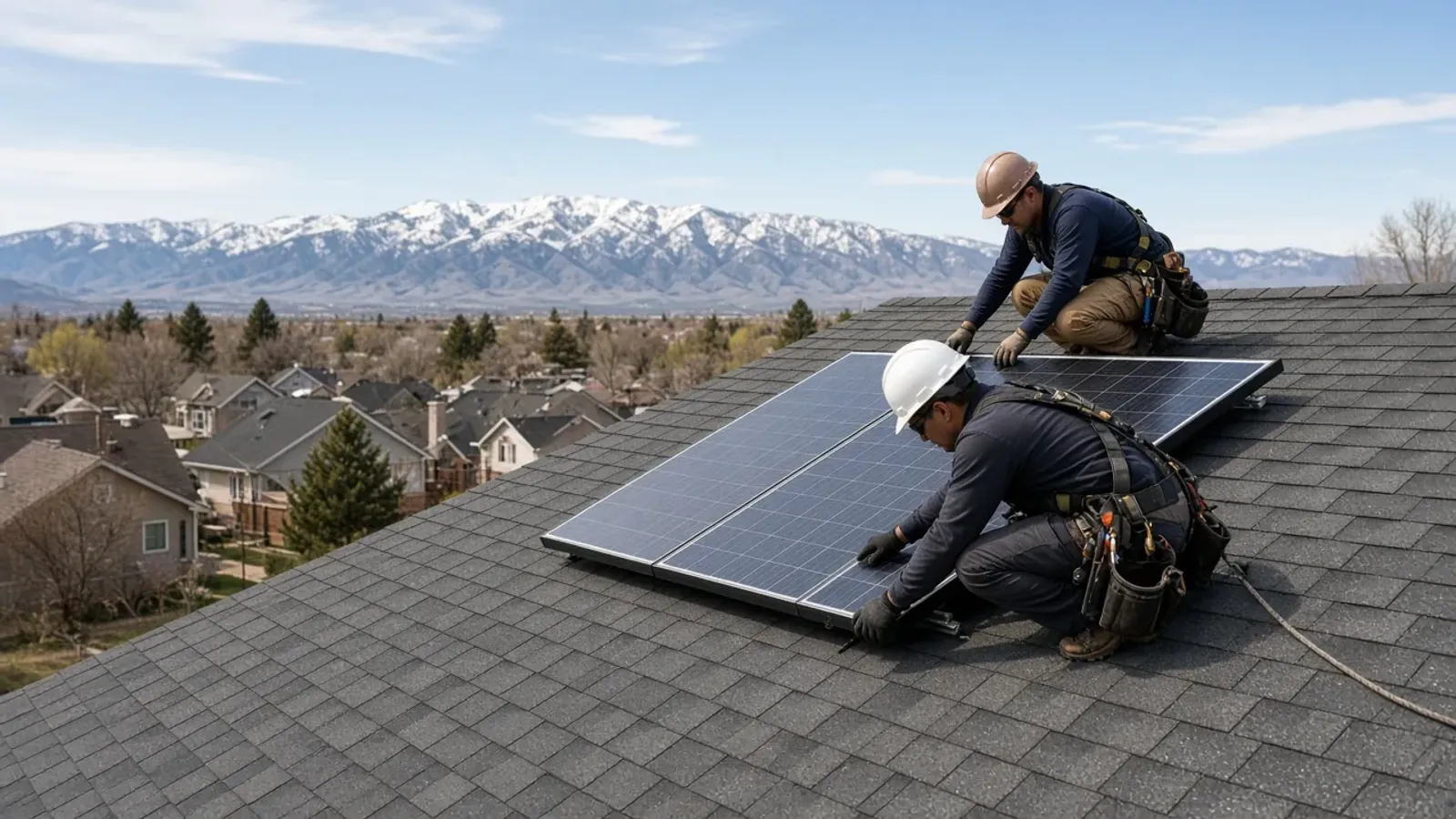
A solar layout built around the property
Solar panels are one part of a complete electrical system. Panel location, mounts, inverters, wire routes, the main electrical panel, and the utility connection all affect the final plan. A south-facing roof may be a good starting point, but roof shape, vents, chimneys, trees, access paths, and seasonal shade can change the usable area.
Carson City’s high-desert setting also deserves attention. Long sunny stretches support solar production, while winter snow, wind exposure, cold temperatures, and daily temperature swings influence structural and equipment planning. A site-specific review helps distinguish a workable layout from a diagram based only on satellite imagery.
The goal is not to cover every available surface. The goal is to develop an installation concept that fits the property, responds to energy goals, and can move through technical review. Actual production and savings depend on the final system, weather, utility rates, usage patterns, shade, and other conditions.
- Roof-mounted and ground-mounted possibilities considered when appropriate
- Array placement reviewed around shade, setbacks, roof features, and access
- Electrical routing and equipment locations considered early
- System size compared with current and future electricity use
What to expect before installation
Start by gathering several months of electricity bills if they are available. Twelve months offers the clearest view because cooling, heating, occupancy, and seasonal habits can change consumption. Mention planned electric vehicles, heat pumps, workshops, additions, or other loads that could increase future use. Those details can affect the conversation about system size.
The property review should look at roof material, age, framing, slope, direction, and anything that blocks usable space. If the roof may need replacement soon, address that before mounting panels. For a ground-mounted system, open land, grading, trench length, property setbacks, and access become more important.
Carson City reviews solar permit applications and may ask for roof and electrical plans. Properties in the Historic District may need another design review. NV Energy also reviews systems that connect to the grid. Rules and fees can change, so the project team should check the latest details for the address.
From estimate to an installation-ready plan
The first conversation covers the property type, your goal, likely panel location, and known limits. You can also ask about the order of the work, equipment choices, and what is needed for a detailed estimate.
After the site information is available, system planning can account for usable area, expected electrical production, mounting, and equipment placement. Formal engineering, permit documents, and utility submissions depend on the final design and the authorities reviewing the project. Installation should begin only after the required approvals are in place.
During installation, mounts must connect to the roof or support structure as designed. Panels, wiring, inverters, shutoff switches, labels, and other parts must follow the approved plans. City inspection and utility approval usually happen before a grid-connected system can be turned on.
Timelines vary. Roof condition, engineering needs, revisions, equipment availability, weather, inspection scheduling, and utility review can all influence the calendar. A realistic estimate should separate on-site installation time from the full project timeline.
What changes the price of a Carson City solar project
No single per-panel price fits every installation. System size matters, but so do access, the mounting surface, electrical work, layout, and the distance between the panels and main electrical equipment. Two systems of the same size can need different labor and materials.
Roof work can change the price when the roof is near the end of its life or needs added support. Ground-mounted systems may need footings, trenches, grading, or longer wire runs. Main-panel changes and other electrical work can also affect the estimate.
Ask for a written plan that explains what the estimate includes. It should clearly list the design, permits, installation, inspection, and utility work. Tax rules and incentives change, so check current details with the right agency and a tax professional. Current IRS guidance says the federal residential clean energy credit does not apply to new systems placed in service after December 31, 2025.
- Planned system size and equipment choices
- Roof, ground, or other mounting conditions
- Shade, roof direction, and usable installation area
- Electrical service and equipment requirements
- Engineering, permit, inspection, and utility steps
- Site access, trenching, and wiring distance
Start with a property-specific estimate
If you are comparing Solar Panel Cancellation options in Carson City, begin with the facts that matter at your address. Share your property type, roof age and material if known, approximate electricity use, and the reason you are considering solar. Photos and utility bills may help with the initial discussion, but they do not replace an on-site or technical evaluation when one is needed.
Call Carson City Solar Installation at (775) 306-4278 or use the contact form to request a free estimate. You will have a clearer starting point for discussing the possible layout, project variables, and next steps without relying on generic claims about savings or system performance.
Learn more about solar panel installation Carson City NV, or contact us for a property-specific estimate.