
Property-first planning
Roof planes, shade, access, electrical equipment, and expected energy demand shape the conversation from the beginning.
Carson City, Nevada solar planning
Start with a clear look at your roof or available land, electricity use, shade, electrical equipment, and project goals. Call or request a free estimate for solar panel installation in Carson City.
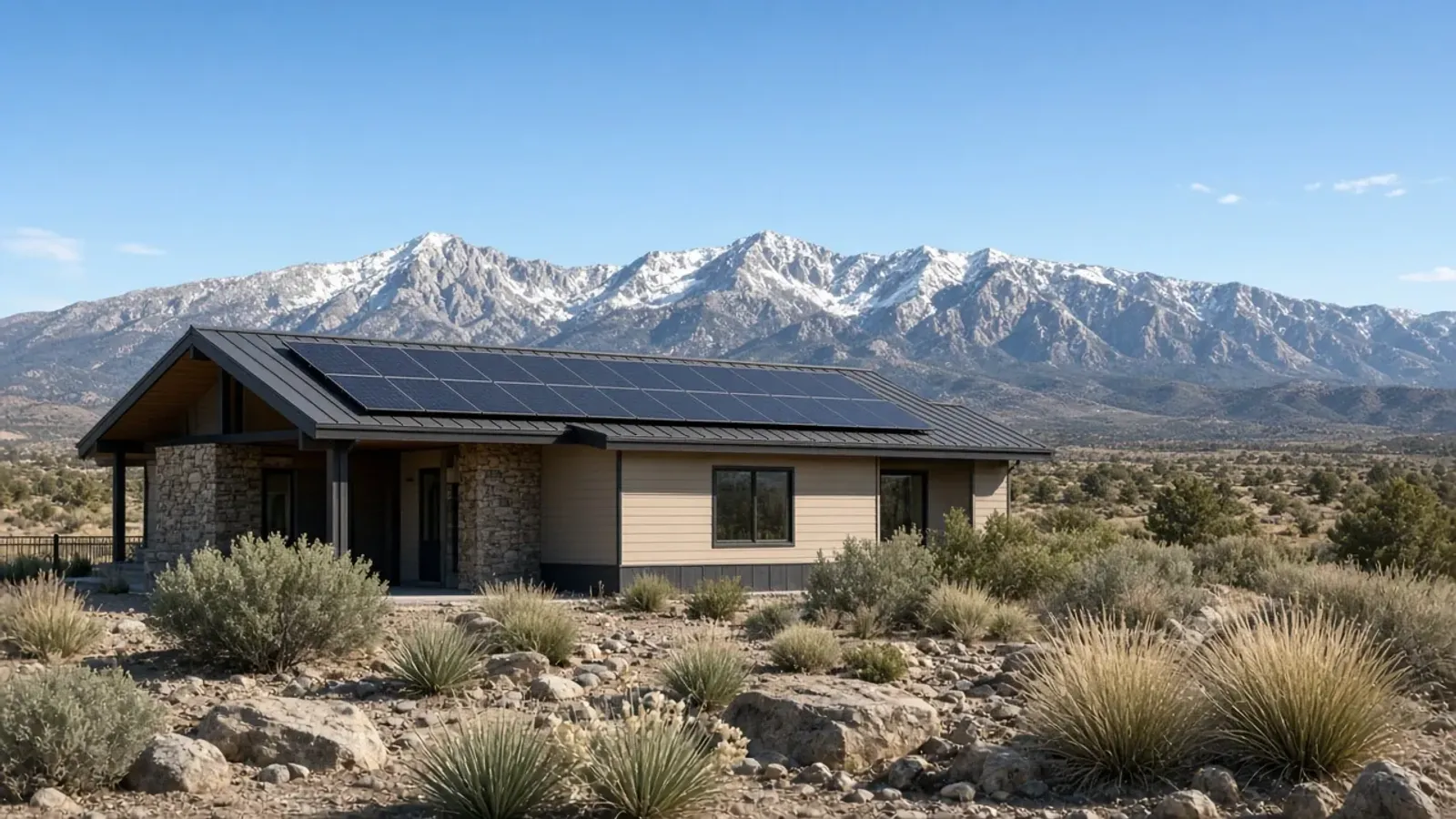
Start with your property
Share the property details, timing, and goals that can help us start a project-specific conversation.
Prefer to talk? Call (775) 306-4278. Monday, Tuesday, Wednesday, Thursday, Friday: 9 AM–5 PM · Saturday, Sunday: Closed.
A better starting point
Solar panel installation in Carson City starts with more than choosing equipment from a catalog. A useful plan looks at your energy use, available space, roof or ground conditions, wiring, city permits, and NV Energy’s grid connection process. Each detail can change the layout, schedule, and price.
Carson City Solar Installation gives local property owners a direct way to begin that conversation. Bring recent electric bills if you have them, explain why you are considering solar, and share what you know about the roof, shade, and electrical service. The first goal is to identify the questions that must be answered before anyone treats a concept as an installation-ready design.
This site focuses on solar panel installation in Carson City. It does not promise exact savings, power output, tax benefits, or a finish date before the property and current rules are reviewed. This helps you compare quotes by looking at the plan and its details instead of broad sales claims.
Roof planes, shade, access, electrical equipment, and expected energy demand shape the conversation from the beginning.
Understand what can affect design, permitting, utility review, installation, inspection, timing, and price.
Account for Carson City sunshine, winter conditions, wind exposure, local permit review, and northern Nevada utility requirements.
Focused services
Explore solar panel installation, repair, and cleaning for your property. Each service page explains the process, what can change the price, and what to ask before work begins.
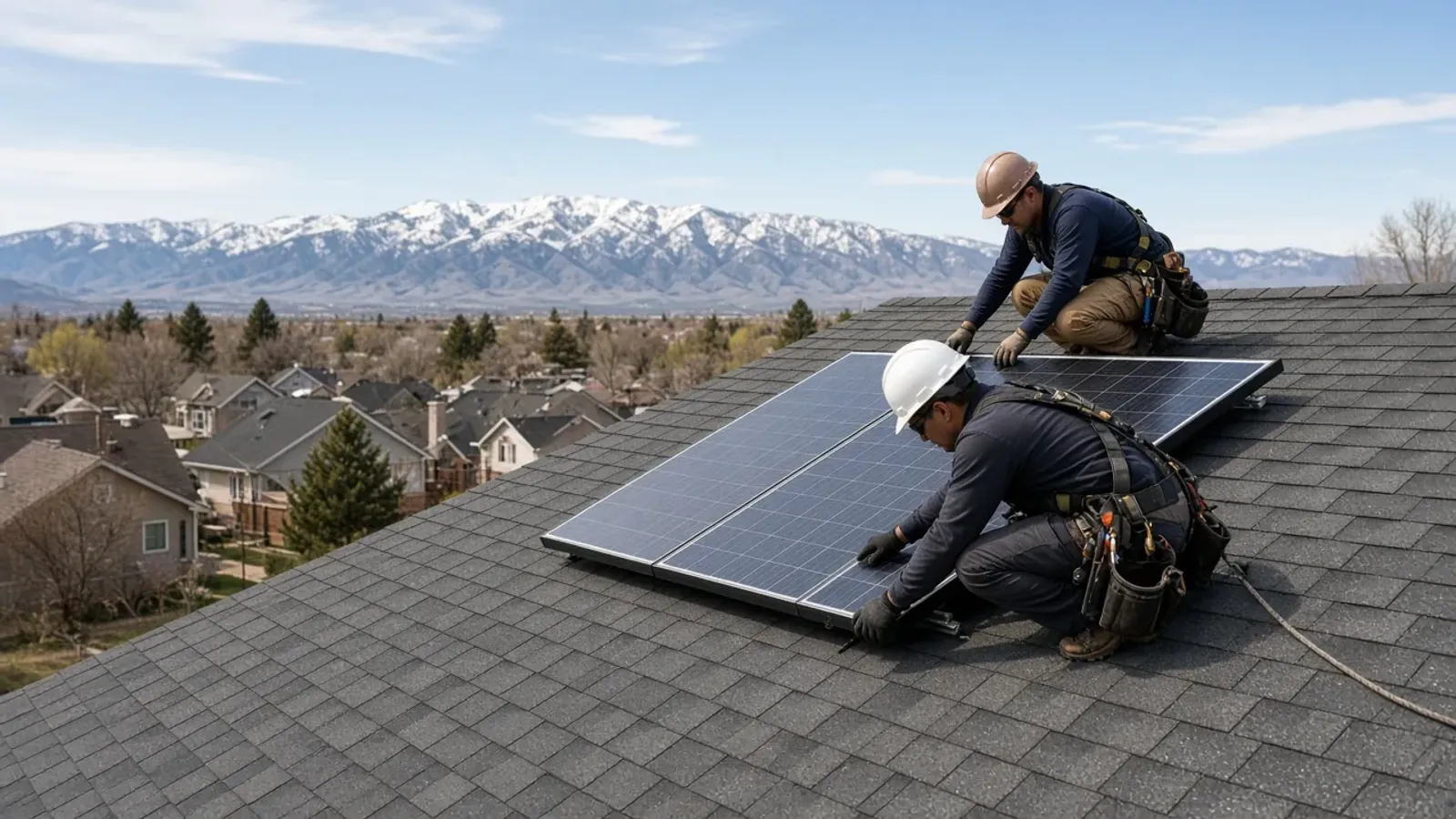
A useful solar estimate starts with the property, not a basic panel count. Carson City Solar Installation looks at recent electricity use, open roof or ground space, shade, roof condition, electrical equipment, and plans for future power use.
Explore Solar Panel Installation →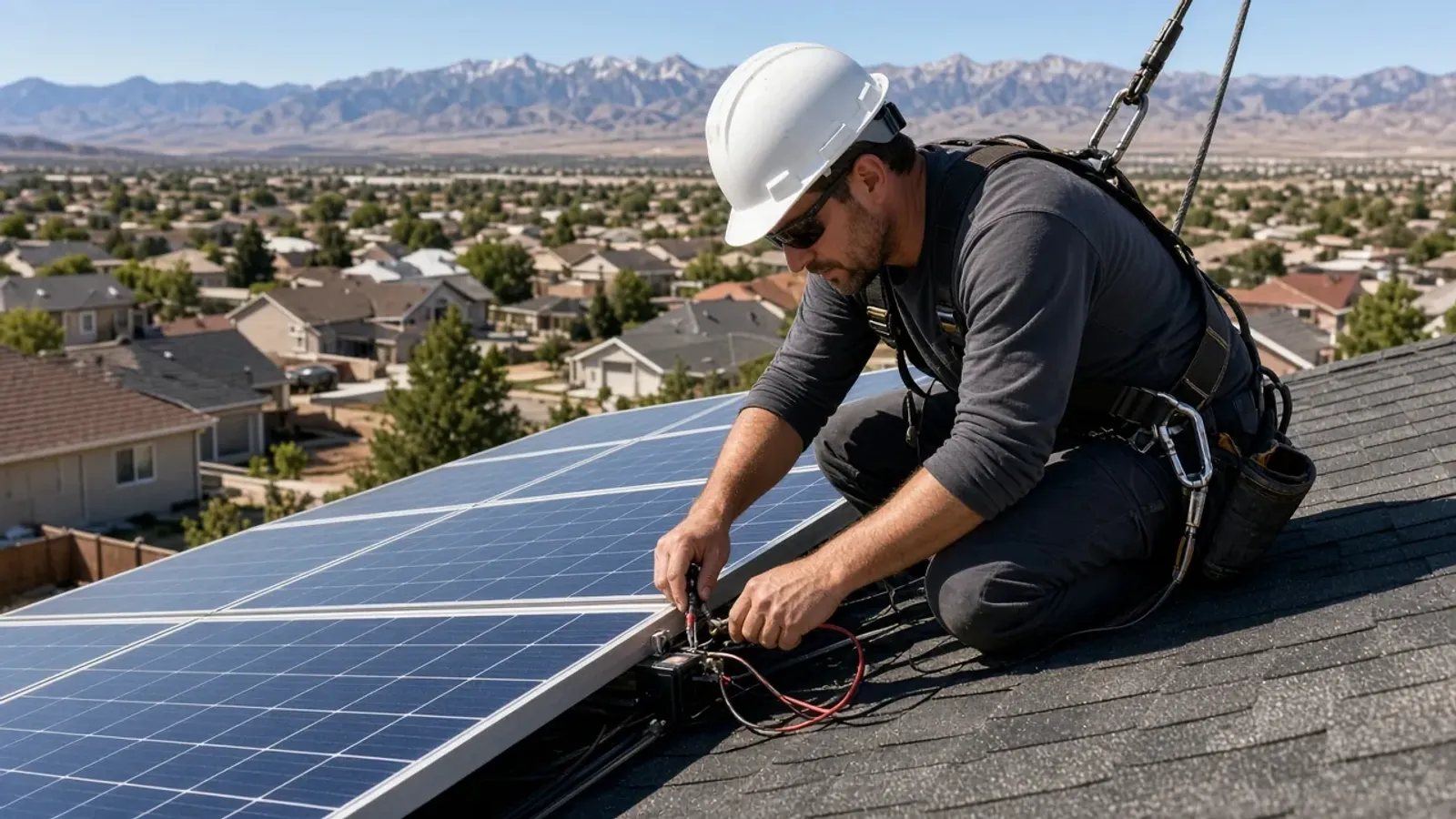
A drop in solar power does not show which part failed. Carson City Solar Installation starts by noting the problem, visible damage, monitoring alerts, recent weather, and system history. This helps focus the inspection on the most likely causes.
Explore Solar Panel Repair →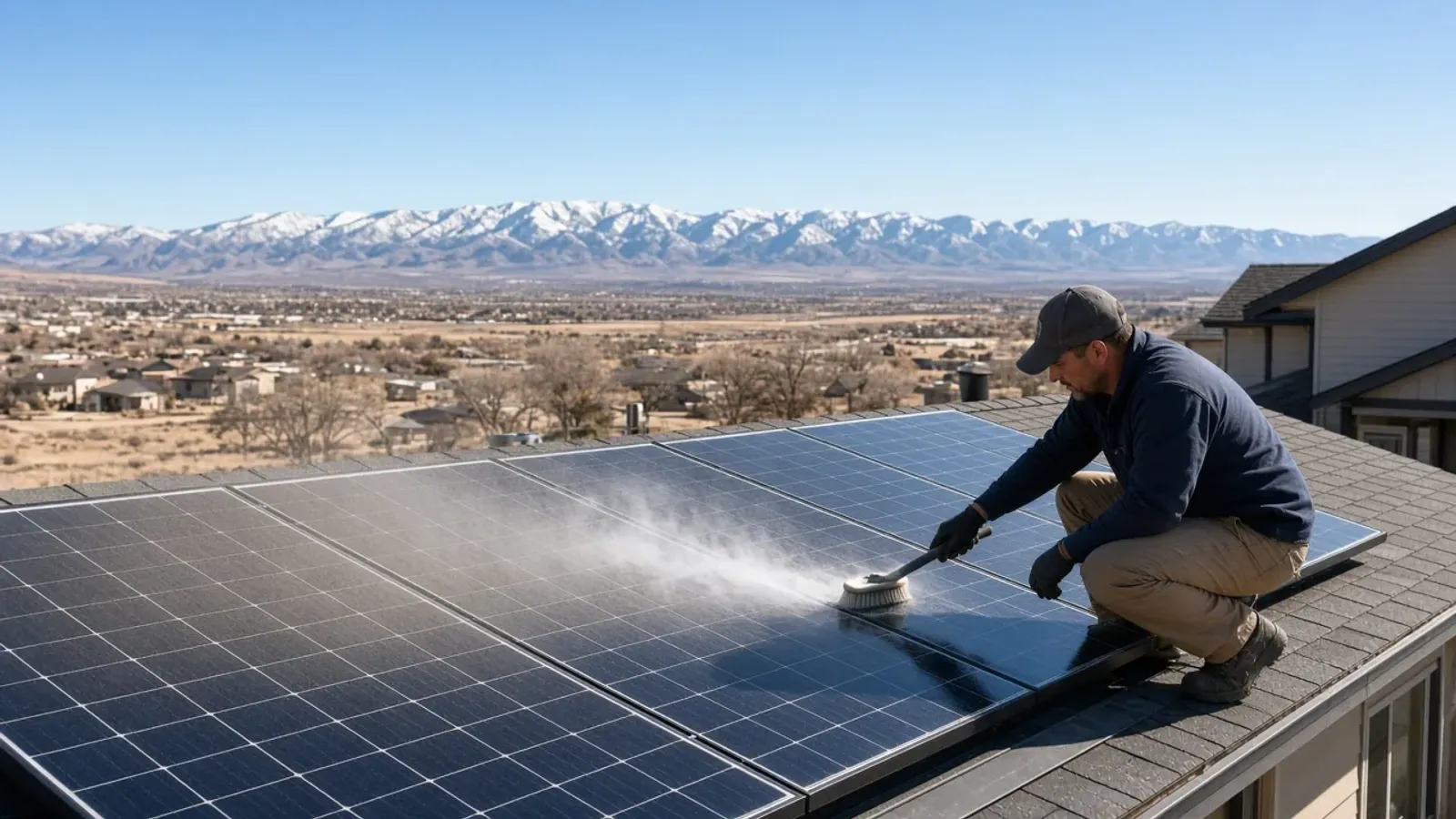
Carson City’s dry conditions can leave dust, pollen, ash, bird droppings, and wind-carried debris on solar panels. Cleaning removes surface buildup with a method that fits the panels, roof, water, weather, and maker instructions.
Explore Solar Panel Cleaning →High-desert conditions
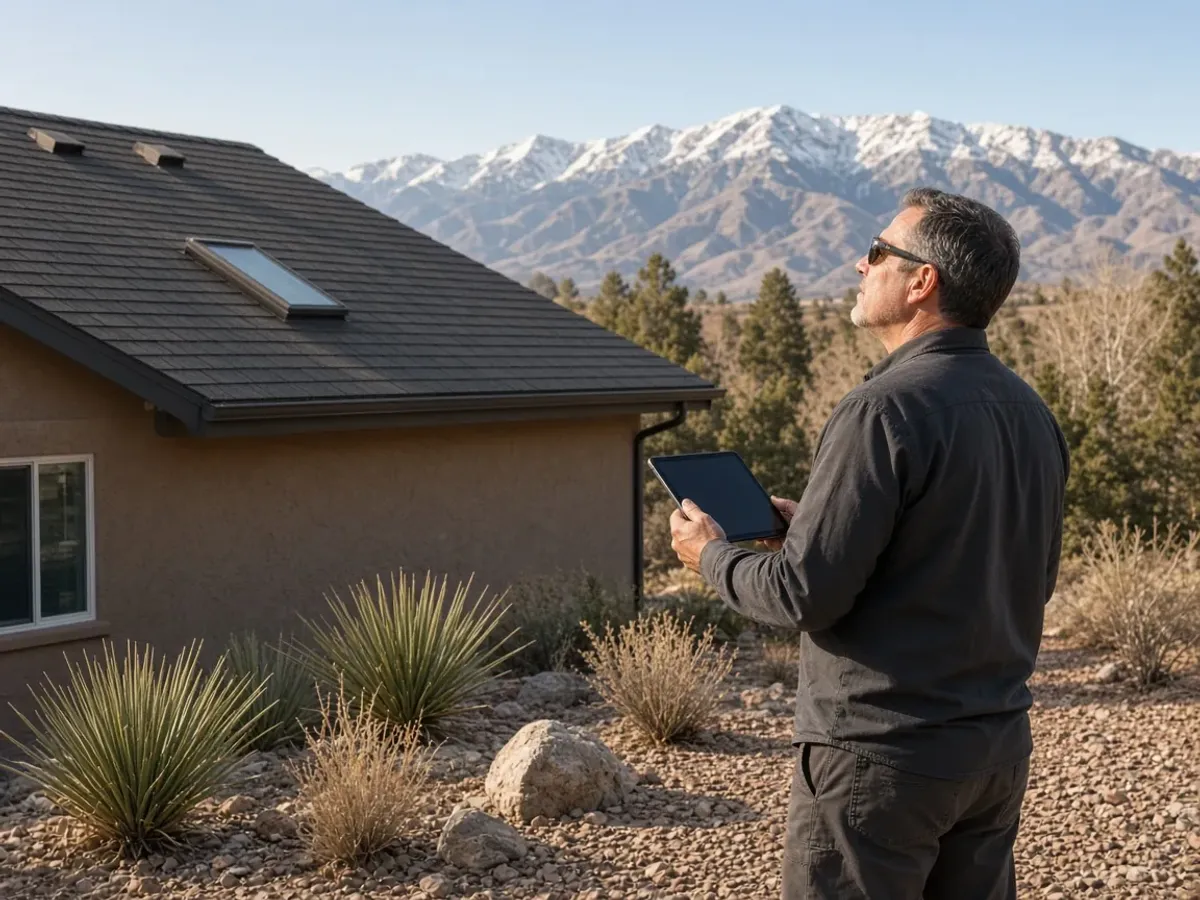
Carson City has a dry, high-desert climate with many clear days, but good solar planning still depends on more than annual sunshine. Winter brings shorter days, cold temperatures, and occasional snow. Wind exposure, temperature swings, roof slope, and surrounding terrain can also influence mounting and structural decisions. An annual production discussion should account for seasonal change rather than multiplying one perfect day across the year.
Solar panels can make electricity in cold weather when sunlight reaches them. Snow cover, clouds, short winter days, and shade can lower output for a time. A steep roof may shed snow faster than a low-slope roof, while roof valleys and nearby objects can hold it longer. The final layout should fit the property and approved design.
Roof condition matters just as much as sunlight. Putting panels on a roof that may need replacement soon can lead to extra removal and reinstallation work. Before moving ahead, note the roof material, age, visible damage, and past leaks or repairs. Carson City may ask for engineering papers that show the roof can support the system.
Sizing and layout
Recent utility bills give the planning conversation a factual baseline. Twelve months is useful because electricity use can rise and fall with weather, occupancy, appliances, and equipment. A single bill may hide those changes. If twelve months is not available, bring whatever history you have and note anything unusual about the period.
Future loads matter too. An electric vehicle, heat pump, workshop equipment, addition, or change in occupancy could increase consumption after installation. That does not mean every project should maximize panel count. It means the estimate should acknowledge known changes instead of sizing only around yesterday’s use.
Usable installation area can limit or reshape the concept. Vents, chimneys, skylights, setbacks, shade, ridges, and roof geometry affect rooftop layouts. A ground-mounted option raises different questions about land, trenching, foundations, grading, setbacks, and the distance to electrical equipment. The strongest starting point combines energy information with an honest view of the property.
Power estimates are helpful guides, not guarantees. They depend on weather, shade, roof direction, equipment, and system losses. When comparing quotes, ask which facts each estimate uses.
Permits and connection
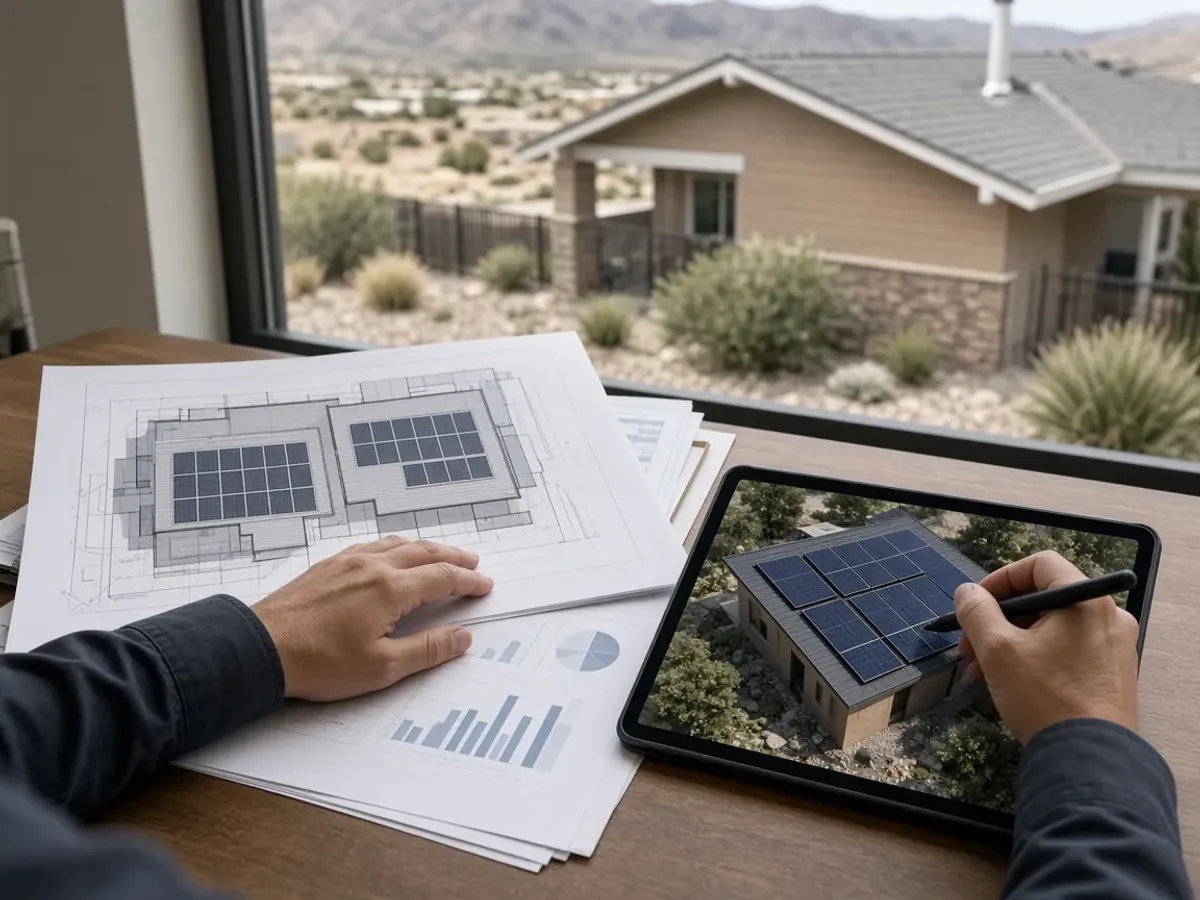
Carson City’s Building Division reviews construction permits. A solar project may need roof and electrical plans. The exact permit package depends on the system and property. Homes in the Historic District may need another design review, so the project address can affect the timeline.
Grid-connected systems also go through NV Energy’s connection process. Forms, fees, equipment rules, and review steps can change. The project team should check the latest utility rules for each job.
A city permit does not mean the system can be turned on right away. Installation, city inspection, utility review, and approval to operate are separate steps. Ask who handles each step, who fixes requested changes, and which wait times are outside the installer’s control.
A clear written plan prevents confusion. It should list the design work, permits, installation, inspections, grid connection work, and final steps. You should know about anything that is not included before you accept the estimate.
Homes and other properties
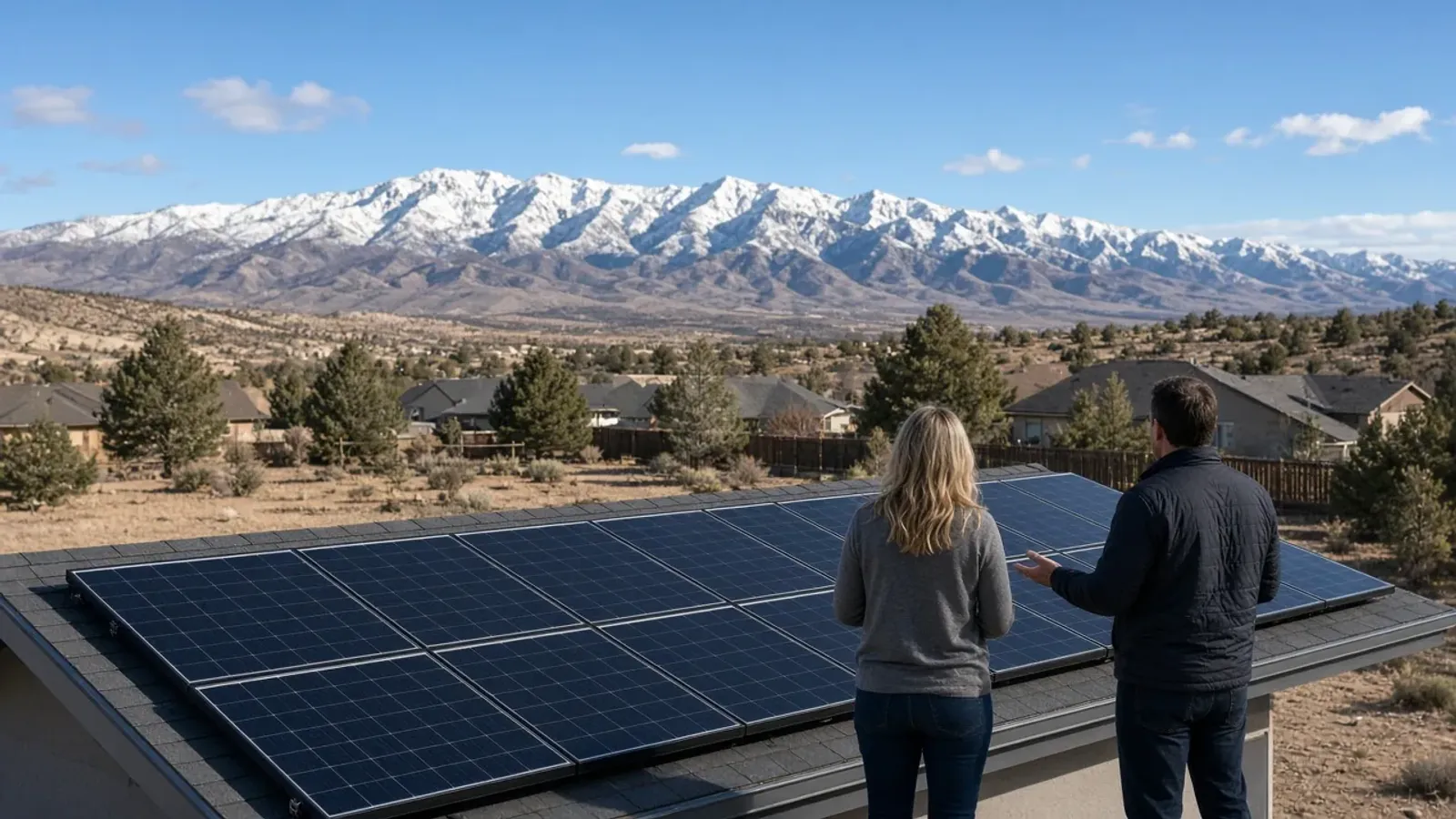
A single-family home may have several roof sections with different sun exposure and limited space near the main electrical panel. The owner may be weighing current power use, future needs, roof life, and how the panels will look. Landscaping, fences, and nearby buildings can also affect access.
A small business or rental property may use more power during the day, have a different roof, or need work to happen at certain times. Business projects can need a different review than home projects. Property managers may also need owner approval and must check roof coverage, access, and work hours before installation.
Every property still needs its own review. A large roof can have shade or need added support, while a small roof may have plenty of open space. Explain how the building is used and when work would cause problems. Those details help shape an estimate for the property.
Equipment decisions
Panels attract most of the attention, but mounts, inverters, wiring, shutoff switches, labels, monitoring, and the main electrical panel all matter. Every part must work with the rest of the approved design.
Ask how the system will handle shade and your roof shape, where equipment will go, and how workers will reach it. Ask which maker instructions apply and what coverage is included in writing. This website does not state a warranty because no warranty terms were provided.
If backup power or battery storage interests you, mention it during the initial conversation so electrical planning can consider that goal. Battery installation is not listed here as a confirmed standalone service. The estimate should clearly state whether storage is included, excluded, or requires a separate provider.
How the project moves forward
The exact sequence depends on the property and current review requirements, but each project should make these milestones clear.
Describe the property, roof or land, electricity use, known shade, electrical equipment, and what you want solar to accomplish.
Examine usable area, mounting conditions, access, roof condition, obstructions, and the information needed for technical planning.
Get a written estimate that lists the facts used, included work, items not included, review steps, equipment, and things that may change.
Complete the required design, permit, installation, inspection, and utility milestones for the specific project.
Solar installation cost
Solar panel installation cost depends on more than the number of panels. System size matters, but so do the mounts, roof condition, electrical work, access, equipment, engineering, and route to the utility connection. A low starting price may leave out work that is needed later.
Written estimates make quotes easier to compare. Look for the planned system size, main parts, mounting method, electrical work, permit tasks, utility steps, inspection help, and items not included. Ask how extra roof work, electrical changes, trenching, or design changes would affect the price.
Tax credit information needs a current check. Federal and state rules can change, and each taxpayer is different. Current IRS guidance says the residential clean energy credit is not available for new systems placed in service after December 31, 2025. Do not rely on old pages that still advertise a 30 percent residential credit for a new 2026 installation. Check IRS sources and ask a tax professional.
A free estimate can still require follow-up before it becomes a final contract price. Unknown structural conditions, utility requirements, permit corrections, or electrical upgrades may need additional evaluation. Ask which findings could change the price and how those changes would be documented.
System size, panel count, equipment choices, layout, and monitoring affect the materials and design.
Roof type, age, slope, structure, access, or ground-mount foundations and trenching can change labor and materials.
The main electrical panel, wire routes, shutoff locations, and needed upgrades can change the work and price.
Engineering, permits, corrections, inspections, utility review, equipment availability, and weather affect the full timeline.
Questions from property owners
Use these answers as a planning overview. Property conditions and current agency requirements determine the final details.
Carson City has many sunny days, but suitability depends on the specific property. Shade, roof orientation, usable area, mounting conditions, electricity use, and system design all influence expected production and project value.
Panels can generate electricity in cold weather when sunlight reaches them. Snow cover, storms, shorter winter days, and shade can reduce output. A useful annual estimate includes seasonal conditions rather than assuming summer production all year.
Solar work usually needs city review and inspection. The permit package may need roof and electrical plans. Historic District properties may need another review. Check the current rules for the project address.
A grid-connected system must follow the utility’s current application and technical process. Installation, local inspection, utility review, and permission to operate are separate milestones. The specific sequence depends on the project.
The price depends on system size, equipment, mounting conditions, roof or land work, electrical requirements, access, engineering, permits, and utility steps. A property-specific written estimate is more useful than a generic per-panel figure.
Current IRS guidance says the Residential Clean Energy Credit is not available for new systems placed in service after December 31, 2025. Tax rules can be hard to follow, so check the latest IRS guidance and ask a tax professional.
Gather recent electric bills, the roof age and material if known, photos, information about shade, and notes about future loads such as an electric vehicle or heat pump. Explain whether you are considering a roof or ground installation.
Plan your project
Tell us about your property and energy goals. We’ll follow up about the next step.